


Hear it first
Demos are auto-generated to show the quality of voices.1,075 comments


Other versions of c00lkidd (Forsaken/Roblox)



More voices like c00lkidd (Forsaken/Roblox)
See all

![Goku V2 [Español Latino] By Pupe AI Voice](/cdn-cgi/image/width=3840,quality=75,format=webp/https://images.jammable.com/voices/712be5db-537b-4726-8d66-ca0ba2eae50d.png)





About the c00lkidd (Forsaken/Roblox) AI Voice
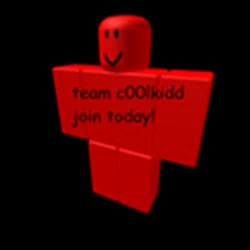
c00lkidd is one of the killer characters from Forsaken, the Roblox horror game built around classic Roblox community figures and myths. He is written as a hacker: a chaotic, hyperactive kid persona with a high, strained, cartoonishly excitable delivery that sits somewhere between a screaming child and a corrupted game file. That combination is what makes the voice fun to work with. It is not a smooth singing voice, and it does not pretend to be. The appeal is the manic energy and the slightly broken, glitchy edge on sustained notes. On Jammable, this community-made voice has been used 43,532 times. It works well for meme covers, Roblox and horror-game fan tracks, hyperpop, chaotic pop punk, and any vocal line where a shrieky, gremlin-like tone is the joke rather than a problem. Slower ballads can also land, because the strain in the tone reads as unsettling instead of comic. The creator's own note on the model is short and blunt: he's a hacker, and you might have to change the pitch to get it working properly, which is worth remembering before you decide the first render is a failure. Everything made here is fan-made parody content created by the Jammable community and is not official Forsaken or Roblox material.
How to make a c00lkidd (Forsaken/Roblox) AI cover
- 1Pick a track that suits a high, chaotic voice
c00lkidd sits in a very high, strained register, so choose a source vocal that already lives up there or that you are happy to shift. Hyperpop, meme edits, pop punk, and fast rap all give the voice room to sound frantic. Upload a song you have the rights to use, or record spoken audio or text-to-speech if you want him talking rather than singing.
- 2Experiment with the pitch setting first
The model's description specifically flags that you might have to change the pitch to get a usable result. Try a render at default, then test one or two semitones up and down and compare. A male source vocal pushed up often gets closer to the child-hacker tone, while pushing too far can turn the output into pure noise. It is worth burning a credit or two on short test sections before committing to a full track.
- 3Generate and listen for the glitch edge
Each cover uses 1 credit and typically renders in around 30 to 60 seconds. When it comes back, listen specifically to the long held notes and the loudest lines, since that is where a screaming character voice tends to break up. Some of that roughness is the charm, but if consonants are disappearing entirely, go back and adjust the pitch or pick a cleaner acapella.
- 4Mix so the chaos still reads as vocals
A shrill, high output can fight with cymbals and synths. You could try easing back the harshest upper-mid frequencies, keeping the vocal a little dry so the strain stays punchy, and doubling the chorus for more of a swarm effect. These are starting points to test by ear, not rules. When you are happy, publish it and label it clearly as a fan-made parody cover.
c00lkidd (Forsaken/Roblox) AI Voice FAQ
Everything about making covers with the c00lkidd (Forsaken/Roblox) voice.